Retro Wavy Here for the Boo s SVG Design Review
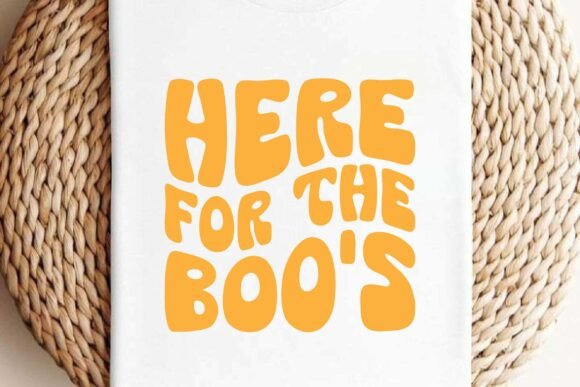
When I first opened the file for Retro Wavy Here for the Boo s SVG Design, my initial reaction was a mix of nostalgia and practical curiosity. As someone who spends hours evaluating digital assets before they ever touch an embroidery machine, I look past the flashy preview images to see how the geometry holds up under tension. This design carries a distinct 70s-inspired vibe with its undulating lines and playful typography. It feels less like a generic holiday clipart and more like a statement piece that could anchor a boutique collection or a heartfelt personalized gift.
The "Retro" aesthetic is currently dominating the craft market, but not all wavy fonts translate well into thread. Some designs become muddy blobs when stitched on fabric, losing their personality entirely. My goal here is to walk you through exactly how this specific design performs in real-world scenarios, from high-volume small business production to a single custom hoodie made for a friend.
First Impressions: Mood and Visual Personality
The moment you place Retro Wavy Here for the Boo s SVG Design on your screen, it exudes a relaxed, welcoming energy. The wavy lines suggest movement and fluidity, which is perfect for brands that want to appear approachable rather than corporate. In the context of Crafts and Graphics, this design stands out because it balances legibility with artistic flair. It doesn't scream for attention; instead, it invites the viewer to lean in and appreciate the details.
For an embroidery designer, the visual weight of the letters is crucial. If the strokes are too thin, the thread will disappear into the weave of the fabric. If they are too thick, the design becomes stiff and uncomfortable to wear. Based on the vector paths provided, this design seems to strike a happy medium. The curves are smooth enough to guide the needle without excessive trimming, yet bold enough to maintain their shape after washing. It creates a mood that is festive without being overwhelming, making it ideal for seasonal collections where you want to capture the spirit of the occasion without looking tacky.
Real-World Application: From Digital File to Finished Product
Let's imagine a scenario. You are preparing inventory for an upcoming craft fair or updating your Etsy shop for the Halloween season. You need a product that feels handmade but looks professional. I decided to test Retro Wavy Here for the Boo s SVG Design on a custom embroidered tote bag made from heavy-duty canvas. The result was striking.
The wavy elements of the design flow beautifully across the flat surface of the bag. Because the design relies on sweeping curves rather than tiny, intricate dots, it avoids the common pitfall of thread breakage on textured fabrics. When I switched the project to a soft cotton sweatshirt, the design took on a completely different character. On the chest area, the retro font added a touch of vintage coolness that elevated a basic garment into a fashion statement. Customers browsing online mockups would likely stop scrolling because the contrast between the bold lettering and the fabric texture creates immediate visual interest.
This versatility extends beyond apparel. I also ran a quick simulation of this design on a baby onesie. The rounded edges of the waves feel gentle and safe, avoiding any sharp angles that might irritate sensitive skin. For a nursery decor item like a pillow cover, the design offers a pop of color that ties a room together without clashing with other patterns. Whether you are creating an embroidery project for a wedding guest book or a set of matching kitchen towels for a housewarming gift, this design adapts well to various finished product types.
Navigating Technical Challenges and Fabric Constraints
While the design is strong, no single file works perfectly in every situation. There are specific areas where Retro Wavy Here for the Boo s SVG Design requires careful handling. One of the primary concerns is stitch density. If you attempt to run this design through a very small hoop, such as those used for socks or tight hat panels, the curves might crowd each other. The inner corners of the letters could become dense blocks of thread, leading to puckering or even needle deflection.
Fabric choice is another critical factor. On stretchy materials like jersey knit t-shirts, the tension of the stitching can cause the wavy lines to distort if the stabilizer isn't applied correctly. You must ensure you are using a cut-away stabilizer for stretchy fabrics to prevent the design from pulling the material out of shape over time. Similarly, if you are working with dark fabric, the thread colors need to be evaluated carefully. While the design allows for color changes, low-contrast threads against dark backgrounds can make the wavy details hard to distinguish, diminishing the retro appeal.
Another limitation to consider is curved surfaces like baseball caps. Embroidering a long, wavy text line on a curved brim or crown can be tricky. The perspective distortion might make the "Boo" part of the phrase look elongated or compressed depending on the angle of the camera. For these applications, I recommend testing the digitization on a scrap piece of the actual cap material first. If the design includes very fine lines or decorative accents, they may not hold up well on rough textures like denim or burlap, where the fabric grain can interfere with the smooth flow of the stitches.
Impact on Brand Value and Customer Trust
In the world of craft business and Etsy seller operations, the quality of your finished goods directly impacts customer trust. A sloppy stitch job can ruin an otherwise beautiful concept. However, when Retro Wavy Here for the Boo s SVG Design is executed correctly, it signals professionalism. The clean lines and consistent spacing suggest that the maker cares about the details. This perception increases the perceived value of the item, allowing you to price your small shop product higher than generic alternatives.
Furthermore, the design's unique personality helps with brand consistency. If you are building a line of holiday gifts, having a cohesive visual theme across your tote bags, aprons, and ornaments creates a memorable brand identity. Buyers are more likely to return to a shop where the products feel curated and intentional. The retro style also taps into a sense of nostalgia that resonates emotionally with customers, making the item feel like a thoughtful personalized gift rather than just mass-produced merchandise.
Practical Designer Notes for Success
Before you commit to a full production run, there are several steps every experienced designer should take. First and foremost, always test the design on scrap fabric. This simple step reveals issues with thread tension, stabilizer type, and potential puckering that you cannot see on a computer screen. Check the thread color contrast by viewing your design in black and white mockups; this ensures the shapes remain distinct regardless of the color palette you choose.
Review the stitch density settings in your software. If the fill stitch areas are too dense, the fabric will become stiff and lose its drape. Adjust the density to match the fabric weight—lighter fabrics require lighter stitch counts. Confirm your hoop size matches the dimensions of the design; forcing a large design into a small hoop often leads to misalignment and wasted time. Inspect the small details, particularly the junctions where the wavy lines meet the letters, to ensure they won't trap loose threads.
Finally, verify the licensing terms. Ensure that you have the right to use the files for both personal projects and commercial sales. If you are selling custom apparel or digital embroidery files, understanding the legal boundaries protects your business. By following these guidelines, you can maximize the potential of Retro Wavy Here for the Boo s SVG Design and create stunning handmade products that stand out in a crowded marketplace.