Let s Get Lucked Up SVG Cut File Review
As someone who has spent years stitching out custom designs for clients and running a small handmade shop, I know that the difference between a project that feels "cutesy" and one that feels professional often comes down to the design itself. Recently, I evaluated Let s Get Lucked Up SVG Cut File with a critical eye, not just as a digital asset but as a potential centerpiece for real-world embroidery projects. This review is based on practical application, testing how this design translates from a screen to fabric, and whether it holds up under the scrutiny of a paying customer.
First Impressions: Mood and Visual Personality
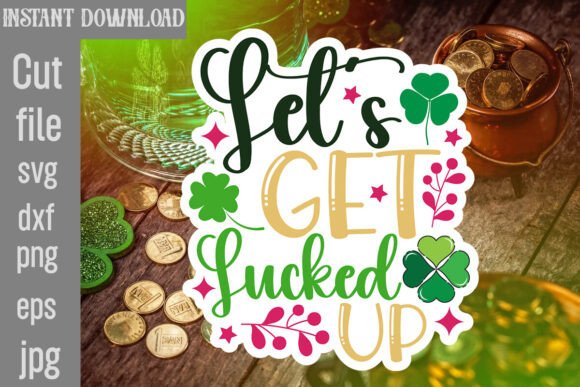
The moment you open the file, the vibe of Let s Get Lucked Up SVG Cut File is immediately clear. It carries a playful, optimistic energy that fits perfectly into the current landscape of casual fashion and home decor. The layout suggests a design meant to be seen, with a bold statement that invites a smile. In the world of machine embroidery design, where every stitch counts, the initial visual weight of this graphic is promising. It doesn't look cluttered or overly complicated, which is a green flag for a design intended for apparel or home goods.
For a crafter looking to add a touch of luck and humor to their inventory, this design offers a strong personality without demanding too much complexity. It feels like something that belongs on a coffee mug, a tote bag, or a cozy sweatshirt. The theme is versatile enough to bridge the gap between a quick hobbyist gift and a polished boutique product. However, the success of the final look depends heavily on how well the vector lines translate into stitches.
Real-World Application: From Screen to Stitch
I put this design through a mental simulation of actual production scenarios to see where it shines. Imagine preparing a custom embroidered tote bag for a craft fair. The phrase Let s Get Lucked Up would pop against a canvas background, creating an instant connection with buyers who appreciate witty, lighthearted accessories. Similarly, for a baby item like a onesie or a bib, the design's friendly tone works well, provided the font size and lettering are scaled correctly to avoid overwhelming a small garment.
In the context of holiday embroidery, this file could serve as a unique alternative to traditional Christmas motifs. Instead of a snowman, you might find customers eager for a design that captures the spirit of the season with a modern twist. For a small business owner selling personalized gifts, this design offers a high perceived value. A customer receiving a hoodie with this specific phrase embroidered in high-quality thread will likely feel that extra effort was taken, boosting their satisfaction and trust in your brand.
The inclusion of multiple formats in the download—SVG for Cricut, DXF for Silhouette, EPS vector, and a 300 Dpi PNG—makes this a robust tool for various workflows. If you are an Etsy seller who needs to create printable mockups quickly, the transparent PNG is invaluable for showcasing the design before it is even stitched. It allows you to visualize the finished product on different backgrounds, helping you decide if the contrast will work before you commit to cutting fabric.
Technical Considerations and Fabric Compatibility
While the concept is strong, the execution requires careful attention to technical details. When discussing stitch density and hoop size, one must consider the fabric texture. Let s Get Lucked Up SVG Cut File might perform beautifully on stable fabrics like cotton twill or denim, but it requires caution on stretchy materials like jersey knits without proper stabilizer. If you attempt to embroider this on a thin fabric, the tension could cause puckering, ruining the clean lines of the lettering.
There are specific areas where this design should be used carefully. Small hoop sizes can sometimes struggle with intricate details, so if the original vector includes fine serifs or tiny decorative accents, they may get lost in the stitching process. On dark fabrics, the choice of thread colors becomes critical; a light thread might not provide enough coverage, requiring a denser fill stitch that could stiffen the fabric. Conversely, on textured fabrics like fleece, the needle might skip, leading to uneven satin stitch edges.
Curved surfaces, such as caps or aprons, present another challenge. While the design is flat in its digital form, transferring it onto a curved brim requires precise digitizing adjustments to ensure the text remains readable and doesn't distort. If you are planning to use this for an embroidered patch, you must ensure the border is defined clearly to prevent fraying after washing. Commercial embroidery projects demand consistency, so testing on scrap fabric first is non-negotiable to confirm that the stitch density holds up over time.
Design Notes for the Professional Maker
To ensure your finished product meets professional standards, there are several steps you must take before hitting the start button on your machine. First, always test the design on scrap fabric that matches your final material. This helps you gauge the thread color contrast and inspect small details that might vanish during the stitching phase. Check whether the design works for both personal and commercial projects by reviewing the license terms included in your download, as this affects your ability to sell the finished items.
Inspect the design in black and white mockups to verify that the shape and spacing remain legible without relying on color. Compare how it looks on light versus dark fabric backgrounds to determine if you need to adjust the underlay or add a backing stabilizer. Proper stabilizer selection is key; for a design like this, a cut-away stabilizer might be necessary for durability, especially on garments that will undergo frequent washing.
When selecting thread colors, think about the mood you want to convey. Bright, contrasting threads can make the design pop, while monochromatic schemes offer a more sophisticated look. Remember that the goal is to create a handmade product that reflects positively on your craft business. If the stitching is sloppy or the design is too dense, it can undermine customer trust and reduce the perceived value of your boutique branding.
Final Verdict on Design Assets
Let s Get Lucked Up SVG Cut File stands out as a versatile option for designers, small business owners, and creative entrepreneurs looking to expand their catalog. Its playful theme and clean structure make it suitable for a wide range of applications, from custom apparel to nursery decor. However, success lies in the preparation. By respecting the limitations of the fabric and taking the time to optimize the digitizing settings, you can turn this digital file into a stunning finished product.
Whether you are an Etsy seller looking to refresh your listings or a maker crafting a personalized gift for a loved one, this design offers a solid foundation. Just remember to check the file formats provided, confirm the licensing rights, and always prioritize quality control. With the right approach, this embroidery file can become a staple in your collection of design assets, helping you create memorable items that customers love to wear and display.