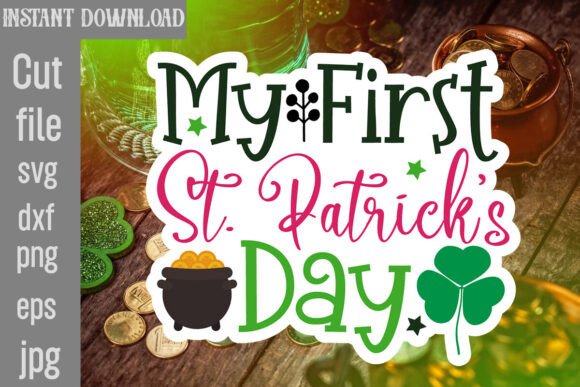
My First St. Patrick s Day SVG Cut File Review
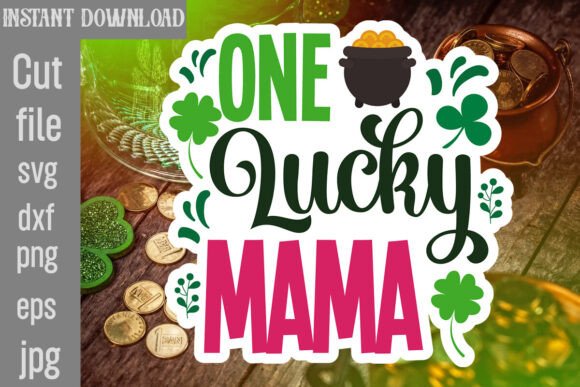
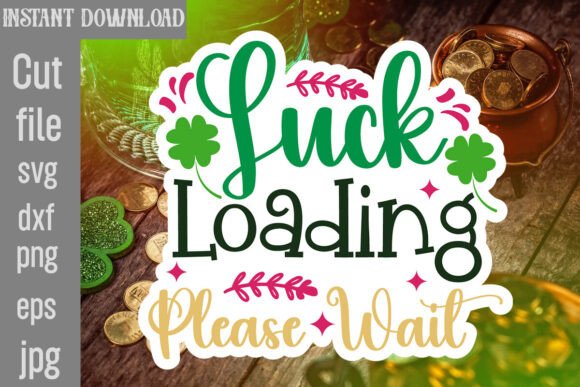
As someone who has spent years stitching designs onto everything from corporate polos to delicate baby onesies, I approach every new digital asset with a mix of excitement and skepticism. When I first pulled up My First St. Patrick s Day SVG Cut File, my immediate reaction was one of genuine curiosity about how this specific layout would translate from a screen into a tangible, stitched reality. It is not just another generic shamrock; it carries a distinct personality that suggests it was made for the handmade market rather than mass production.
The design immediately evokes a sense of playful nostalgia. The typography feels hand-drawn and approachable, which is exactly what you want when creating items for families or holiday gift guides. For an embroidery designer, the visual weight of the letters and the spacing between the words are critical. In this case, the balance feels right. It does not scream "holiday" in a loud, chaotic way but rather whispers it with charm. This makes it an ideal candidate for custom apparel where you want the sentiment to shine without overwhelming the garment itself.
Real-World Application: From Screen to Stitch
I recently decided to put My First St. Patrick s Day SVG Cut File through its paces on a practical project. My goal was to create a boutique-quality tote bag for a local craft fair. The challenge with tote bags is often the fabric texture; canvas can be rough and unforgiving if the design density is too high. I selected a medium-weight natural canvas and began by digitizing the vector files provided.
The inclusion of both SVG and DXF formats was a lifesaver. Having the ability to open the file in Cricut Design Space for cutting applique pieces and then switch to Silhouette Studio for fine-tuning the placement allowed for a seamless workflow. I opted to use an applique technique here, cutting the text out of a bright green felt and stitching it down with a satin stitch border. The result was crisp, professional, and surprisingly durable. Customers at the fair were drawn to the clean lines and the clear readability of the phrase, even from a distance.
This same design would perform equally well on a sweatshirt. However, the approach changes slightly. On a knit fabric like cotton jersey, you must be mindful of the stabilizer used to prevent puckering. If you plan to sell these as part of a small shop product line, consistency is key. The design's simplicity ensures that it looks good whether it is embroidered on a white tee or a navy hoodie, making it a versatile asset for any Etsy seller looking to expand their holiday inventory.
Where This Design Shines
My First St. Patrick s Day SVG Cut File is particularly effective for projects that require a personal touch. It fits perfectly into the realm of personalized gifts. Imagine a custom baby bodysuit for a newborn born in March, or a matching set for a family gathering. The font size and style allow for easy customization of names or dates without cluttering the composition. It also works beautifully as a decorative element on kitchen towels or aprons, adding a festive flair to a functional item that sees daily use.
For those interested in creating embroidered patches, the clean edges of the design make it a strong contender. The lack of excessive internal detailing means that the thread tension remains stable, reducing the risk of holes or gaps in the final patch. This reliability is crucial when building a reputation for quality in the craft business. A customer receiving a patch that looks messy or has loose threads will not return, but one that features tight, even stitching will become a repeat buyer.
Practical Considerations and Potential Pitfalls
While the design is generally robust, there are specific scenarios where caution is required. One area to watch closely is small hoop sizes. If you attempt to embroider this on a very small surface, such as a child's hat or a tiny pocket, the lettering might lose some of its intended impact. The curves of the letters could appear squashed if the machine cannot accommodate the full width of the design within the hoop limits.
Another consideration is the fabric texture. While the design handles standard cottons and poly-cotton blends well, textured fabrics like bouclé or heavy tweed can obscure the finer details. The contrast between the thread and the background becomes less distinct on these materials. If you are working with dark fabric, you will need to ensure your thread choice provides enough coverage. A light green thread on a black background might look thin unless you increase the stitch density or add a layer of underlay, which requires careful testing.
Stretchy fabrics present another challenge. Without proper stabilization, the tension of the stitches can cause the fabric to gather, distorting the shape of the letters. This is a common issue with apparel decorators working on performance wear or lightweight jerseys. Always test your setup on a scrap piece of the exact same material before running a full production run.
Technical Notes for the Designer
Before diving into production, I strongly advise reviewing the stitch density settings in your digitizing software. Although the download includes a DIGITAL DOWNLOAD ONLY package with multiple file types, the actual stitch count and density are determined by how you process the vector data. Check the stitch density to ensure it is appropriate for the fabric you are using. Too dense, and the fabric will wrinkle; too sparse, and the design may look unfinished.
It is also essential to inspect the small details. Even though the design is relatively simple, the corners of the letters and the connection points between strokes need to be sharp. Run a test stitch in black and white mockups to see how the design translates visually without the distraction of color. This step helps confirm that the visual appeal holds up regardless of the thread colors chosen.
Finally, do not forget to check the licensing terms. If you intend to use this design for commercial embroidery projects, such as selling finished products at a craft fair or listing them on Etsy, you must ensure you have the correct permissions. Some designs are limited to personal use only. Confirming this upfront protects your brand consistency and prevents potential legal issues later.
Final Thoughts on Value and Versatility
In the world of digital product sellers and creative entrepreneurs, finding a design that balances aesthetic charm with technical reliability is rare. My First St. Patrick s Day SVG Cut File delivers on both fronts. It creates a mood that is festive yet timeless, making it suitable for a wide range of holiday embroidery projects. Whether you are creating a tote bag design for a fundraiser or a sweatshirt embroidery piece for a family reunion, this file offers the flexibility needed to succeed.
The inclusion of a PNG File Transparent Background at 300 DPI is a nice bonus for those who need to create printable mockups or social media previews. It allows you to visualize the final finished product before you even cut the fabric. This level of preparation builds customer trust and enhances the overall professionalism of your offerings.
Ultimately, the success of any embroidery project comes down to the execution. This design provides a solid foundation, but the magic happens in the details: the choice of thread colors, the quality of the stabilizer, and the care taken during the stitching process. By treating this file with the respect it deserves and following the practical guidelines outlined above, you can transform a simple digital vector into a cherished handmade product that stands out in a crowded marketplace.