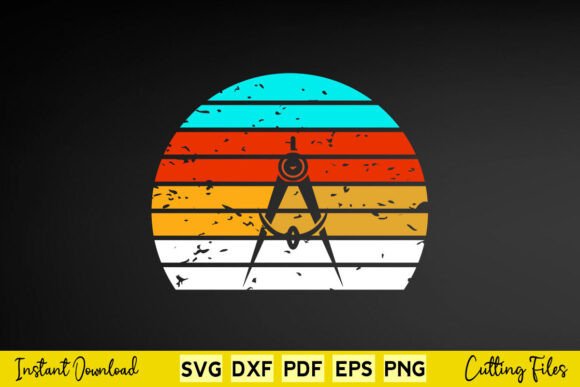
Vintage Retro Architecture Svg Cutting Review
I have spent years reviewing embroidery files, testing them on everything from delicate silk to heavy canvas. When a new design lands in my inbox, I do not just look at the preview image; I imagine the needle moving across the fabric. Today, I am evaluating Vintage Retro Architecture Svg Cutting, a file that promises a nostalgic aesthetic for your next project. My goal is to tell you whether this piece belongs in your personal stash or if it has the potential to become a bestseller in your craft business.
The first impression of Vintage Retro Architecture Svg Cutting is one of structured nostalgia. Unlike modern geometric designs that rely on sharp, aggressive lines, this design feels like a postcard from a mid-century travel brochure. The mood is warm and inviting, suggesting stability and history. For an embroidery designer, the visual personality is crucial because it dictates the type of customer who will buy the finished product. This design naturally belongs to projects that value storytelling and craftsmanship over fast fashion trends. It screams "handmade" and "thoughtful," which are two of the most valuable attributes in the current market for handmade goods.
From Digital File to Finished Product
Imagine you are preparing a custom embroidered tote bag for a local boutique client. They want something that captures the spirit of their city without being too literal. You decide to use Vintage Retro Architecture Svg Cutting. The layout likely features iconic building silhouettes rendered in a retro style. When you transfer this to the machine, the design transforms from a flat vector into a tactile experience. The interplay of satin stitch for outlines and fill stitches for the building masses creates a sense of depth that a printed t-shirt simply cannot achieve.
In a real-life scenario, consider creating a set of holiday gifts for a family reunion. You might choose to embroider this design onto a heavy cotton apron or a cozy fleece sweatshirt. The vintage architectural theme works exceptionally well with earth tones and muted colors. If you pair the design with olive green thread on a cream background, the result looks sophisticated and timeless. Customers reacting to such a piece often feel an immediate connection to the imagery. It evokes memories of old neighborhoods or favorite vacation spots, making the gift feel more personal than a generic pattern ever could.
For Etsy sellers and small shop owners, this design offers a unique niche. While many shops flood the market with generic floral patterns, Vintage Retro Architecture Svg Cutting stands out as a specialized asset. It fits perfectly into categories like home decor, specifically pillow covers and kitchen towels. A tea towel featuring this motif adds a touch of class to a rustic kitchen, appealing to buyers who appreciate both function and aesthetics. The design's ability to elevate a simple item into a premium-looking product is what drives higher perceived value and better reviews.
Navigating Technical Challenges
However, every design has its limitations, and understanding where Vintage Retro Architecture Svg Cutting performs best is essential for avoiding costly mistakes. One area that requires careful consideration is the hoop size. If the design includes intricate details in the windows or rooflines, attempting to stitch it in a very small hoop might result in lost definition. The needle movement needs enough space to create clean stitches without crowding the edges. Always check the recommended dimensions before hooping your fabric.
Fabric texture plays a massive role in how this design translates. On smooth, tightly woven fabrics like poplin or twill, the design will look crisp and professional. However, on highly textured materials like bouclé or loose-weave linen, the details may get lost in the weave. Furthermore, stretchy fabrics present a challenge. Unless you use a high-quality stabilizer and perhaps a tear-away backing, the tension of the stitches could cause the fabric to pucker, distorting the architectural lines. This is particularly important when working on baby clothes or fitted caps, where comfort and fit are paramount.
Dark fabrics require a specific strategy. If you plan to use this design on a black hoodie, you must ensure you have enough underlay stitches to prevent the dark fabric from showing through the lighter threads. Conversely, using light-colored threads on a dark background can sometimes make the design look flat if the contrast isn't managed correctly. Testing your thread color combinations on scrap fabric is non-negotiable. You need to see how the chosen colors interact with the specific shade of your material before committing to the final piece.
Practical Notes for the Embroidery Designer
If you are planning to sell finished products made with Vintage Retro Architecture Svg Cutting, you must treat this as a commercial decision. First, verify the licensing terms provided with the download. Some digital assets allow for unlimited commercial use, while others restrict the number of items you can produce. Ignoring these terms can lead to legal issues down the line. Additionally, review the stitch density. High-density designs are durable but can make the fabric stiff, which might be uncomfortable for a garment worn close to the skin. For items like baby onesies or soft pillowcases, a lighter stitch count is often preferred.
When preparing your mockups for listings, do not rely solely on the digital preview. Create physical samples and photograph them in natural light. This allows potential buyers to see the true texture and dimensionality of the work. Compare the design on different backgrounds to ensure it remains legible. If the design features tiny lettering or extremely fine lines, test it carefully. These elements are prone to breaking or disappearing during the washing process, especially if the item is subjected to frequent laundering.
Stabilizer selection is another critical factor. For a design like Vintage Retro Architecture Svg Cutting, which likely has a mix of outline and fill stitches, a cut-away stabilizer is often the safest bet for durability, especially for items that will be washed frequently. Hoop the stabilizer firmly to ensure the fabric does not shift during stitching. If you are working on curved surfaces like caps, you may need a specialized cap frame to maintain the correct tension and alignment.
Final Thoughts on Visual Appeal and Value
Ultimately, the success of Vintage Retro Architecture Svg Cutting depends on how well you integrate it into your workflow. It is not just a graphic; it is a tool for creating emotional connections with your customers. Whether you are designing a patch for a denim jacket, a decorative accent for a nursery wall hanging, or a branded logo for a coffee shop's merchandise, this design brings a level of professionalism and artistry that elevates the entire brand.
By taking the time to test the design, select the right materials, and understand the technical requirements, you ensure that your finished product reflects the quality you promise. In a market saturated with mass-produced items, a well-executed embroidery project featuring this vintage architecture theme can set your handmade goods apart. It shows that you care about the details, from the choice of thread to the stability of the stitches. That attention to detail is what builds trust, encourages repeat business, and turns casual browsers into loyal fans of your craft.